Fencing Materials 101: A Guide to Choosing the Right Fence for Your Needs Apr 30, 2026
When considering your fencing options, it’s important to start by defining your priorities. Are security and privacy your primary concerns, or is enhancing curb appeal more important? Are you looking for low-maintenance options, or are you interested in materials that offer durability and longevity? Answering these questions will guide you in choosing the right material.
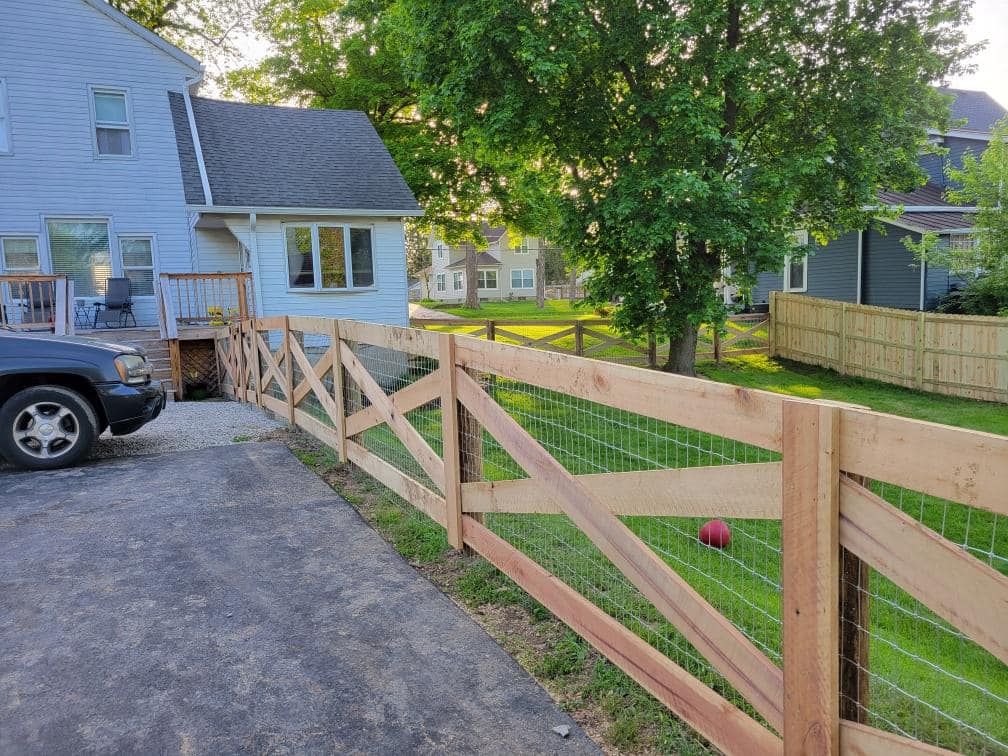
Wood is a timeless choice for its natural beauty and versatility. With various styles such as picket, split-rail, and privacy fences, wood offers a classic look that suits many homes. Treated pine and cedar are common choices due to their resilience and affordability. However, wood fencing requires regular maintenance, including staining or painting, to prevent weather damage and extend its lifespan.
Vinyl fencing has gained popularity for its durability and low maintenance. Resistant to moisture, rot, and insects, vinyl fences are easy to clean and retain their appearance over time without needing repainting. While the initial cost may be higher than wood, the long-term savings on maintenance make it an attractive option for homeowners seeking enduring appeal.
For those prioritizing security and durability, metal fences, such as wrought iron or aluminum, are excellent options. Wrought iron provides a strong, classic look, perfect for both security and aesthetic appeal. Aluminum, on the other hand, while not as strong as wrought iron, offers corrosion resistance and a more modern look. Both materials typically require less maintenance than wood and can be customized with various designs.
Chain link fencing is another practical choice, particularly for large areas or pet containment. While not as visually appealing, chain link fences are cost-effective and durable. They provide a secure boundary without obstructing views, making them suitable for both residential and commercial properties.
Bamboo and composite materials are gaining popularity among environmentally conscious consumers. Bamboo is sustainable, grows quickly, and offers a unique aesthetic. Composite fencing, made from recycled materials, mimics the appearance of wood without requiring the regular upkeep. Both options are eco-friendly and contribute to a greener world.
Another factor to consider when selecting a fence is the climate of your area. Certain materials hold up better in specific weather conditions. For instance, vinyl is ideal for regions with high humidity or frequent rain, whereas metal withstands the test of time in most climates.
In conclusion, selecting the right fencing material depends on several factors, including your specific needs, budget, and local climate. By evaluating these aspects and consulting with professionals like Bollinger Fence And Property Management, you can ensure a decision that enhances your property’s functionality and appearance. We invite you to reach out to our team for expert advice and quality installation services tailored to your unique requirements. Investing in the right fence not only secures your property but also enhances its overall value and charm.
/filters:no_upscale()/filters:format(webp)/media/b46876b8-b0cc-42b1-93e1-710e3b8b9712.jpeg)