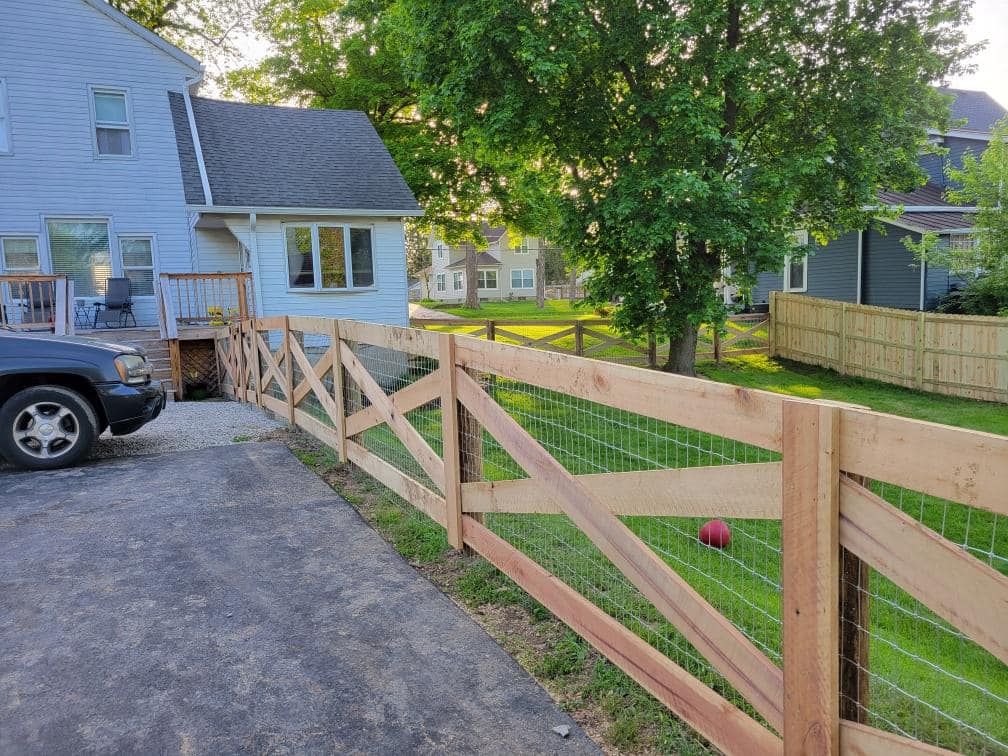
Choosing the Perfect Fence Design to Complement Your Landscape Mar 09, 2026
When embarking on your fencing journey, the first consideration should be the primary purpose of the fence. Are you seeking privacy for your yard, trying to enhance security, or eager to enhance the visual appeal of your landscape? Perhaps it’s a combination of all three. By pinpointing your primary goals, you can narrow down suitable options that cater to your needs.
Material choice plays a significant role in the overall design and maintenance requirements of your fence. Wooden fences are a classic choice, offering a warm and natural look that blends well with most landscapes. Wood allows for a variety of styles, from traditional picket fences to more modern horizontal slat designs. Keep in mind that wood requires regular maintenance to prevent rot and pests. If low-maintenance options appeal to you, vinyl or composite fencing can mimic the appearance of wood without the upkeep demands.
For those focused on durability and security, metal fences, such as aluminum or wrought iron, offer robust solutions. Metal designs can add an elegant and timeless touch to your property, with intricate designs or simple, sleek lines that match contemporary landscapes. Additionally, metal fences typically require less maintenance compared to wood, providing a long-lasting solution that withstands the test of time.
While deciding on the material and purpose of your fence, it's essential to consider how the design complements the existing elements of your landscape. Cohesion with your home’s architecture and garden features enhances the visual appeal. For example, a rustic wooden fence may beautifully frame a garden featuring native plants, while a sleek metal fence could highlight the modern lines of a contemporary home.
Color is another element that can significantly impact the aesthetics of your fencing. A neutral color can create a seamless transition between the fence and the natural surroundings, while a bold, contrasting color might effectively highlight specific areas of your yard. When selecting a color, consider how different shades interact with the plant life and architectural elements of your property.
In addition to visual considerations, think about the functionality of your fence within your landscape design. Perhaps your garden features varying elevations or natural obstacles such as trees and shrubs. Custom fence solutions, offered by Bollinger Fence and Property Management, ensure that your fence is both aesthetically pleasing and practically functional within your unique space. Tailoring your fence to adapt to the natural contours of your landscape ensures ease of use and optimal integration.
Finally, aligning your fence choice with local regulations and neighborhood aesthetics is crucial. Many communities have guidelines on fence height, style, and placement. Consulting with a professional fencing service can help navigate these rules, guaranteeing that your final product complies with local standards while meeting your personal desires.
In conclusion, choosing the right fence design for your landscape involves a balance of function, material, and aesthetic appeal. By considering the primary purpose of the fence, material preferences, coordination with existing landscape features, and local regulations, you can create a harmonious extension of your outdoor space. Bollinger Fence and Property Management is dedicated to helping you achieve the perfect fence that not only complements your landscape but also enhances the overall enjoyment of your property.
/filters:no_upscale()/filters:format(webp)/media/b46876b8-b0cc-42b1-93e1-710e3b8b9712.jpeg)